What It Really Means to Be an UndergrowthGames Contributor A Complete Informational Guide
Becoming an undergrowthgames contributor has become a topic of interest for gamers, writers, artists, developers, and community enthusiasts who want to take part in indie game projects. While the phrase sounds simple, it represents a wide and evolving role grounded in creativity, collaboration, and practical experience. This guide offers a detailed, human-written explanation of what the role actually involves, what contributors do, how to join, what benefits and challenges to expect, and how to turn contributions into meaningful growth.
This article avoids external links, uses clear H2 headings, includes the exact keyword undergrowthgames contributor in a natural flow, and provides a comprehensive overview suitable for blog publishing.
Introduction to the Role of an UndergrowthGames Contributor
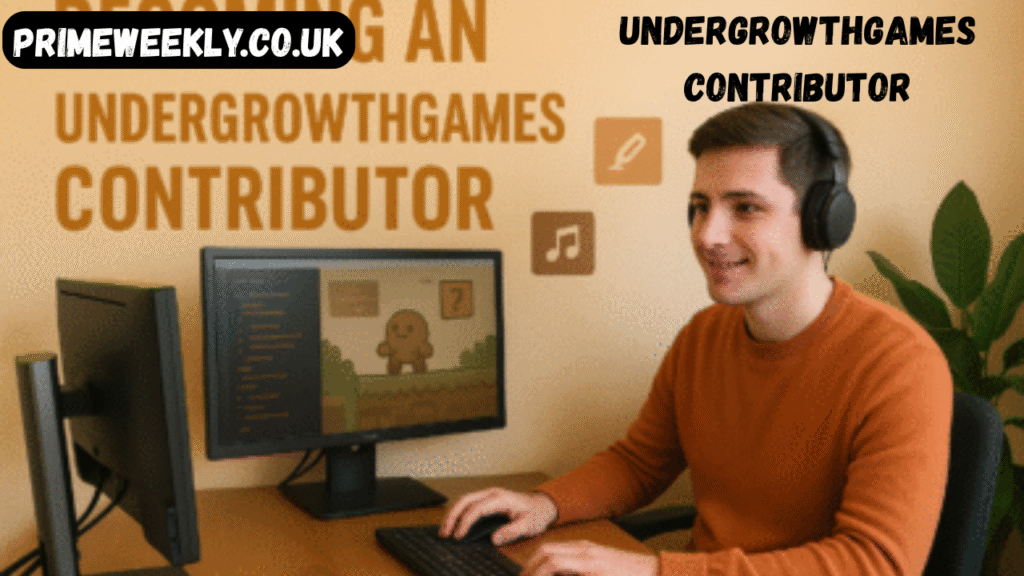
In indie game communities, contributors fill essential gaps. They support development, create content, moderate communities, and help shape the direction of creative projects. An undergrowthgames contributor is someone who participates in these activities with dedication, whether they are experienced professionals or enthusiastic newcomers. The strength of indie projects relies on people who step forward to help, and contributors often become the backbone of these communities.
This role is not rigid. Contributors choose tasks aligned with their interests and abilities. Some write, some code, some design, and others test or manage communities. Because of this flexibility, the role offers a rare chance to develop real skills, work alongside others, and leave a meaningful impact on ongoing projects.
Who Can Become an UndergrowthGames Contributor
One of the most appealing aspects of becoming an undergrowthgames contributor is that anyone can participate. You don’t need a formal background or a long list of qualifications. What truly matters is passion, reliability, and the desire to improve your craft.
People who commonly join as contributors include:
- Writers interested in lore, story building, or game-related articles
- Programmers who enjoy fixing bugs or adding small features
- Artists and designers who want to create visual assets
- Community moderators who enjoy building positive engagement
- Testers who play early builds to find issues
- Sound designers or music creators exploring new opportunities
This open-door approach makes the contributor role highly accessible, offering a supportive environment for learning and creative growth.
Responsibilities and Common Tasks of Contributors
Development and Programming Support
Contributors who code may work on gameplay mechanics, fix bugs, refine performance, or help script interactions. Even small patches add significant value and teach problem-solving through real-world scenarios.
Content Creation and Writing
Writers often produce guides, walkthroughs, in-game descriptions, character backstories, and promotional materials. Strong written content not only informs players but also strengthens the identity and personality of the game.
Artistic and Visual Asset Production
Artists create sprites, character designs, UI elements, animations, and environmental art. Visual contributors help define the aesthetic appeal of a game, sometimes becoming essential to the final look and feel.
Testing and Feedback
Testers uncover bugs, identify performance issues, and evaluate player experience. Their feedback guides developers on what to refine or redesign, making the game more polished and enjoyable.
Community Growth and Management
Some contributors focus on managing discussions, engaging with players, answering questions, and maintaining a positive environment. This role is essential in helping a community grow and remain active.
Benefits of Becoming an UndergrowthGames Contributor
Opportunities for Skill Development
The best way to improve is by doing, and contributors get firsthand experience with real projects. Every task, big or small, builds skill and confidence. From debugging to writing dialogue, contributors gain valuable practice that cannot be replicated in theory alone.
Building a Portfolio
A major advantage of being an undergrowthgames contributor is the portfolio potential. Every completed task can become a documented achievement. This helps contributors show their abilities to future employers, collaborators, or clients.
Networking and Collaboration
Indie projects bring together people with similar passions. Contributors often build strong connections, learn from others, and collaborate across different skill sets. These relationships sometimes lead to future job opportunities or long-term partnerships.
Creative Influence
Contributors often have a direct voice in shaping the project. Their ideas, feedback, and work contribute to the final experience players enjoy. This sense of impact is motivating and rewarding for creative individuals.
Personal Growth and Confidence
Taking part in meaningful work, receiving feedback, and seeing results build confidence. Contributors gain resilience, problem-solving skills, and the ability to work in team environments.
Challenges and Concerns to Keep in Mind
Volunteer-Based Work
Many contributor roles begin as voluntary positions. It is essential to understand expectations upfront. The experience is valuable, but contributors should avoid assuming compensation unless it is clearly agreed upon.
Credibility and Recognition
Some indie projects are small or new. The visibility and recognition of contributor roles may vary. To protect yourself, always document your work, save examples, and request proper credit for your contributions.
Managing Time and Avoiding Burnout
Enthusiasm can sometimes lead to overcommitting. Contributors may take on too many tasks or responsibilities. Setting boundaries and organizing tasks helps ensure the contribution remains enjoyable.
Clarity in Communication
Effective communication is vital. Misunderstandings about tasks, deadlines, or expectations can slow down progress. Clear updates and collaborative discussions help projects run smoothly.
Skills That Make a Successful UndergrowthGames Contributor
Technical Skills
- Familiarity with game engines like Unity, Godot, or Unreal
- Understanding version control tools such as Git
- Ability to create or edit game assets
- Basic programming knowledge for development contributors
Creative Skills
- Writing clearly and compellingly
- Designing visually appealing assets
- Creating consistent art styles
- Providing structured and helpful feedback
Soft Skills
- Reliability and meeting commitments
- Team communication and collaboration
- Willingness to learn and adapt
- Positive attitude and respect for team members
Soft skills often matter more than talent. Many contributors succeed because they are committed, open to improvement, and passionate about the project’s growth.
How to Get Started as an UndergrowthGames Contributor
Learn About the Project
Before joining, observe the community, read guidelines, and understand the project’s style and goals. Awareness of what the team values helps you contribute effectively.
Start with Small Tasks
Offer to complete a small assignment first. It could be a simple bug fix, a short guide, or a minor art asset. Completing small tasks builds trust and helps you adapt.
Share Your Work and Accept Feedback
Contributors grow by sharing their work, receiving comments, and revising. Feedback isn’t criticism—it’s an opportunity to strengthen your skills.
Document Your Contributions
Keep records of everything you do:
screenshots, files, notes, or summaries. This helps maintain transparency and builds your portfolio.
Discuss Expectations as You Grow
Once you contribute consistently, discuss future goals, responsibilities, and possibly compensation. Clear communication prevents misunderstandings later.
How to Build a Strong Portfolio from Contribution Work
Your portfolio should showcase the impact of your work. Include:
- A short description of the project
- Your specific role and responsibilities
- Before-and-after visuals, if applicable
- Code snippets or art samples
- A summary of what you learned
Portfolios tell your story as a creator. They should highlight both your technical abilities and the thinking behind your decisions.
Types of Contributions That Make a Long-Term Difference
Bug Fixes and Improvements
Small code contributions can have large impacts on performance and usability.
Guides and Documentation
Clear guides help players understand gameplay and help developers manage updates.
Visual Enhancements
Adding polished UI elements, icons, or textures improves the final product significantly.
Community Interaction
Hosting events, helping new players, and moderating discussions strengthen the community culture.
Each of these tasks adds permanent value to the project and makes your contributions more visible.
Evaluating Projects Before You Join
Before investing your time, examine:
- The team’s organization and communication
- The clarity of contribution guidelines
- The long-term vision of the project
- The activity level of the community
- Whether expectations match your goals
Choosing the right project ensures your contributions feel meaningful and appreciated.
How an UndergrowthGames Contributor Can Build a Career
Contributing can be a stepping stone toward bigger opportunities. To turn your experience into career growth:
- Focus on contributions that match your career goals
- Be consistent and reliable
- Create a polished portfolio
- Describe your work clearly during interviews
- Be open to learning new disciplines
Over time, contributors often attract freelance work, internships, or full-time roles based on the skills and experience they develop.
The Future of Contributor Roles and Community-Driven Projects
As game development becomes more accessible, contributor roles will continue to grow in importance. Community-driven projects thrive because of passionate individuals who combine creativity and collaboration. The flexibility, diversity, and hands-on nature of being an undergrowthgames contributor make it a valuable and meaningful role for anyone interested in gaming or digital creation.
This role empowers people to learn, express themselves, and contribute to something bigger. Its future is bright, and its impact will only continue to expand as more players become creators.
Frequently Asked Questions
What skills do I need to become an undergrowthgames contributor?
You can join with basic skills in writing, coding, art, testing, or moderation. Passion and willingness to learn matter more than experience.
Is being a contributor always unpaid?
Not always. Some tasks begin as volunteer roles, but consistent contributors may receive formal opportunities depending on the project’s structure.
How do I prove my contributions?
Keep documentation, save files, track your work, and request proper credit from project leads.
Can contribution work help me build a career?
Yes. Real projects build strong portfolios that open doors to professional roles in development, design, writing, or community management.
How do I avoid burnout while contributing?
Start small, set boundaries, and communicate your availability clearly. Choose tasks that excite you to maintain motivation.
Read More: The Ultimate Guide to Supplement Information TheWeeklyHealthiness for Better Wellness