Randolph Richard Charles A Detailed Profile
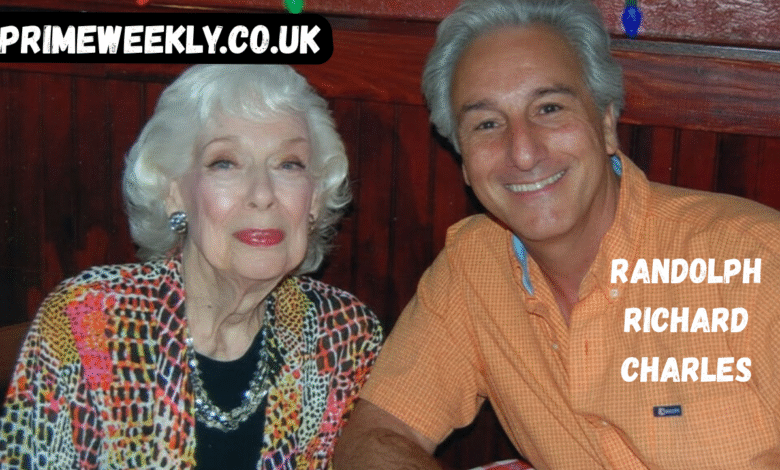
randolph richard charlesProfile Summary
| Attribute | Details |
|---|---|
| Full Name | Randolph Richard Charles |
| Date of Birth | 1960 (approximate) |
| Parents | Mother: Joyce Randolph Father: Richard Lincoln Charles (marketing executive) |
| Education | Attended Yale University |
| Career | Marketing executive and assumed leadership of his father’s business |
| Nationality / Ethnicity | American; mother of Finnish descent (via Joyce Randolph) |
Family Roots and Early Life

From the outset, the life of Randolph Richard Charles is rooted in a unique family environment. His mother, Joyce Randolph, achieved fame as a television actress, most notably for her role as Trixie Norton on the classic show The Honeymooners. His father, Richard Lincoln Charles, worked as a marketing executive, providing a strong business foundation in the family. Being born around 1960 (as widely reported) placed Randolph into a period where the entertainment industry and corporate America both played significant roles in his upbringing.
Growing up as the only child of such a pairing meant that Randolph was exposed to both creative and business worlds quite early. While many of his peers might have gravitated toward following their parents directly, Randolph, it seems, absorbed lessons from both but charted his own course. The influence of his mother’s public persona and his father’s behind-the-scenes corporate life created a dual lens through which he viewed opportunity, responsibility, and identity.
Education and Personal Development
Randolph’s formative years culminated in his admission to Yale University, one of the most prestigious institutions globally. This decision underlines a commitment to rigorous academic training and suggests that he valued an environment where intellectual challenge and broad exposure were available.
At Yale, Randolph likely had access to diverse disciplines, networks, and opportunities that shaped his worldview and prepared him for leadership roles. His choice of higher education set a tone: rather than seeking immediate fame or leveraging his mother’s celebrity, he opted for preparation, skill-building, and professional grounding.
The discipline, analytical thinking, and industry awareness one acquires at such a university would later serve well in business contexts. While the specifics of his major or extracurricular activities at Yale are not widely documented in public sources, the credential itself signals readiness to engage at a high level in the marketing and business world.
Career Path From Marketing to Leadership
Following his university education, Randolph Richard Charles chose to enter the business world rather than the entertainment industry. This decision appears informed by his father’s expertise in marketing and corporate operations. According to reports, he worked as a marketing executive, indicating that he didn’t just inherit a role but gained experience in the field.
Eventually, he is said to have taken over his father’s business, stepping into a leadership role that required not only marketing acumen but also strategic vision, operational oversight and legacy management.
Assuming leadership of a family business comes with its own challenges: balancing tradition and innovation, honoring past generations’ achievements while adapting to modern market realities, and maintaining personal identity separate from familial expectations. Randolph’s path suggests a conscious decision to embrace that challenge.
The Influence of His Mother Legacy
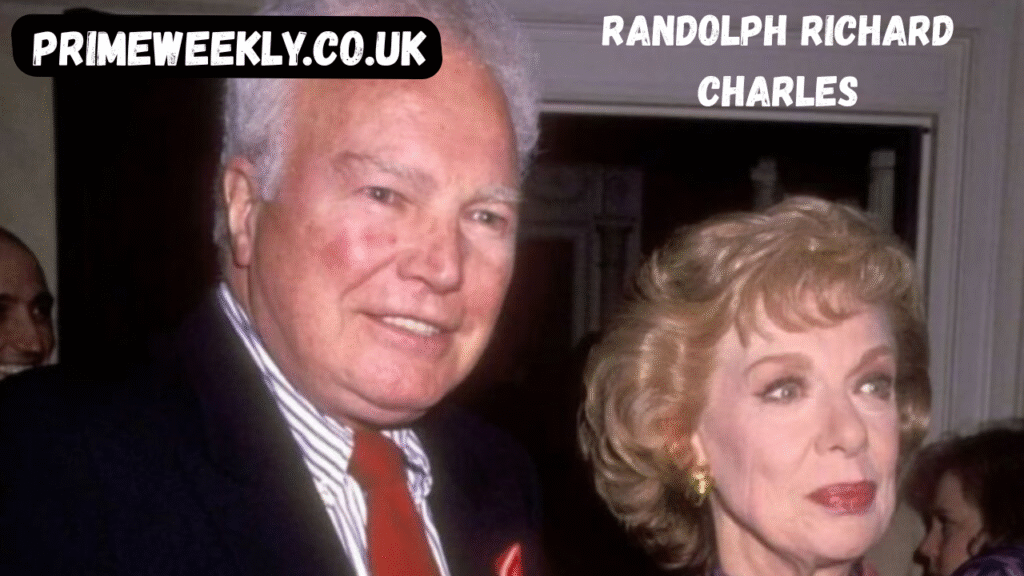
Though Randolph carved his own career path, the legacy of his mother, Joyce Randolph, inevitably features in his story. As the son of a television icon from The Honeymooners, his identity has been shaped in part by public perception of family heritage. When Joyce Randolph passed away at age 99 in January 2024, it was Randolph who communicated the news, a sign of his role as the custodian of family narrative.
Yet, despite the celebrity element, Randolph chose a more private life—not the spotlight of Hollywood, but the quieter boardrooms and business strategy sessions. This contrast itself is noteworthy: a man connected to the glamour of TV legend, yet grounded in the practicalities of business and marketing.
His presence at family and public moments (for example attending events with his mother) shows that he honored the relationship, while the decision to remain largely out of public view demonstrates a deliberate preference for discretion and private contribution.
Professional Philosophy & Values
Though direct quotes from Randolph Richard Charles are scarce in public records, we can infer aspects of his professional philosophy from his trajectory. First, the focus on education (Yale) and business (marketing) suggest a commitment to competence and preparation over mere inheritance. Second, the move into his father’s business implies value placed on continuity, stewardship and long-term thinking.
In marketing, a successful executive must combine creativity, measurement, consumer insight, brand strategy and leadership. By taking that path, Randolph likely built skills in communication, persuasion, data-driven decision making and team coordination. When transitioning into leadership of an existing firm, additional skills come into play: governance, visioning, change management, and preserving culture.
Therefore, the values that seem to emerge are: respect for legacy, commitment to excellence, low profile efficacy, and combining the creative legacy of his mother with the strategic world of his father. This hybrid orientation makes his story compelling even if not widely publicized.
Personal Life and Private Identity
While much of his mother’s life is documented given her public status, Randolph Richard Charles appears to have maintained a considerably private personal life. There is limited public detail about his marital status, children (if any), or personal hobbies. This suggests a conscious boundary between his professional identity and personal privacy.
The choice to keep a lower public profile can itself be a strategic decision: it allows one to operate in business without the distractions and expectations that accompany a famous family name. It may also reflect personal preference—some individuals born into families with public visibility opt to live without that same spotlight.
That said, Randolph clearly participates in family and public legacy activities when needed (for instance managing announcements around his mother’s passing), meaning he balances the private and public spheres intentionally.
Legacy Continuity and Future Prospects

The legacy of Randolph Richard Charles is multifaceted. On one hand, he carries forward the marketing/business legacy of his father, while on the other, he represents the familial connection to a television era icon in his mother. Because he is less publicly visible, the immediate hallmarks of his legacy may be subtle: business leadership, family continuity, and quietly maintaining respect for past generations.
Looking ahead, legacy can evolve in many ways: growth of the business under his stewardship, philanthropic involvement, mentorship, or perhaps new ventures that merge his dual heritage (business + creative background). Even without public fanfare, a lasting legacy need not be loud—it can be sustained through impact in one’s domain and the respect of peers and family.
Challenges and Considerations
Every life path has challenges, and Randolph’s is no exception. Firstly, being the child of a well-known actress might carry expectations or assumptions—people might expect him to enter entertainment or engage in public promotion. Choosing a different path (business/marketing) could involve navigating identity: “Am I defined by my mother’s fame or by my own work?”
Secondly, taking over a family business often means reconciling the existing traditions/designs with modern innovation. It can be difficult to know which aspects to preserve and which to reinvent. Balancing respect for the founder’s vision with the need for relevance in new markets is a common issue.
Finally, maintaining privacy in an age of public interest is itself a challenge. Even minimal press coverage (e.g., when his mother passed) brings attention. Ensuring that personal decisions, family matters and business moves remain handled with integrity and discretion takes conscious effort.
Lessons from the Life of Randolph Richard Charles
The story of Randolph Richard Charles offers several takeaways that can apply broadly:
- First: Education and preparedness matter. Choosing Yale and then pursuing business roles rather than relying solely on family names shows foresight.
- Second: Crafting one’s own path—even when connected to fame or legacy—is key. Randolph opted for business rather than join the entertainment industry, aligning with his strengths.
- Third: Respecting heritage while building something new. He engages with his mother’s legacy yet builds in the domain his father represented.
- Fourth: The value of privacy and quiet contribution. Success does not always require public recognition. Work done behind the scenes can be deeply meaningful.
- Fifth: The importance of continuity in both family and business. Taking on the leadership of a prior generation’s enterprise requires responsibility, humility, and vision.
Conclusion
In summing up, Randolph Richard Charles is a figure whose significance lies both in his heritage and personal journey. Born at the intersection of entertainment (via his mother) and business (via his father), he made educational and career choices that honored both sides while choosing his own route. He represents a modern type of legacy bearer: not seeking the limelight, but exercising influence through business acumen and continuity.
While many details of his personal life remain private, what is clear is his role as a steward—of family, of business, and of dual legacies. That kind of quiet strength often goes unnoticed in celebrity-heavy narratives, yet can be among the most enduring.
FAQs
Q1: Who is Randolph Richard Charles’s mother?
A1: His mother is Joyce Randolph, best known for playing Trixie Norton on The Honeymooners.
Q2: What career path did Randolph Richard Charles choose?
A2: He chose to work in marketing, became a marketing executive and later took over his father’s business rather than entering acting or television.
Q3: Where did he study?
A3: He attended Yale University.
Q4: Is Randolph Richard Charles very public or famous in his own right?
A4: He is not widely publicized. His public mention largely stems from his connection to his mother. He appears to have favored a more private life and business-oriented role.
Q5: What is the significance of Randolph Richard Charles’s legacy?
A5: His significance lies in bridging two spheres—entertainment legacy via his mother and business legacy via his father. His story shows how one can honor heritage while forging an individual path marked by education, leadership and discretion.
Read More: El Taiger Net Worth A Detailed Look at the Wealth and Legacy of El Taiger