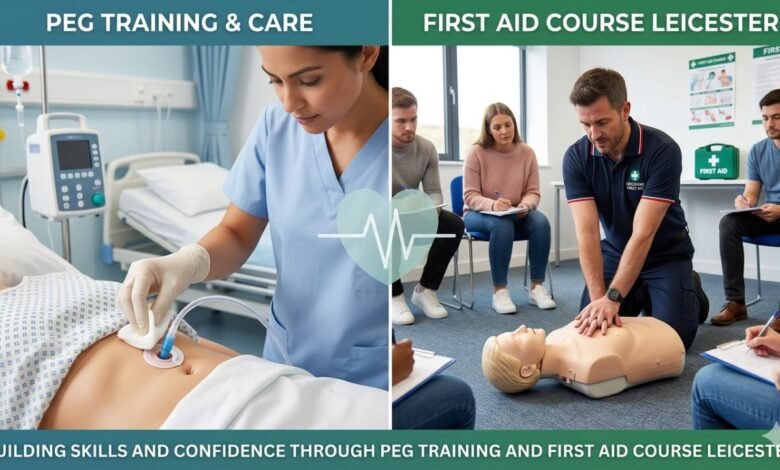
Building Skills and Confidence Through Peg Training and First Aid Course Leicester
In today’s fast-changing world, practical skills have become just as important as academic knowledge. Whether it is caring for individuals in healthcare settings or being prepared to handle emergencies in everyday life, proper training can make a significant difference.
Two valuable areas of learning that support both professional growth and community safety are Peg training and First aid course Leicester. These training programs equip individuals with essential knowledge and hands-on experience that can be applied in real-life situations, especially in healthcare and caregiving environments.
Developing these skills not only improves confidence but also ensures better care, faster response during emergencies, and improved outcomes for those in need.
Understanding Peg Training
Peg training refers to specialized instruction focused on Percutaneous Endoscopic Gastrostomy (PEG) care. This involves feeding and managing individuals who are unable to take food orally and require nutritional support through a tube directly into the stomach.
This type of training is commonly required in healthcare, nursing, and caregiving roles. It ensures that professionals can safely manage feeding procedures while maintaining hygiene and patient comfort.
Proper peg training is essential because it involves direct patient care, where mistakes can lead to serious health complications. Trained individuals learn how to handle equipment, administer feeds, and monitor patients for any signs of infection or discomfort.
Importance of Peg Training in Healthcare
Healthcare environments demand precision, care, and responsibility. Peg training plays a crucial role in ensuring patient safety and quality care.
Patient Safety and Care Quality
Reducing Risk of Infection
Proper training ensures that feeding tubes are handled in a sterile manner, reducing the risk of infections.
Correct Feeding Techniques
Trained professionals understand the correct methods of administering nutrition safely and effectively.
Supporting Patient Comfort
Minimizing Discomfort
Proper handling techniques help reduce pain or irritation during feeding procedures.
Monitoring Patient Response
Caregivers learn to observe and respond to any changes in patient condition promptly.
Professional Development
Career Advancement
Peg training enhances skills and opens up opportunities in healthcare and caregiving roles.
Increased Confidence
Trained individuals feel more confident in handling complex care responsibilities.
What is a First Aid Course Leicester
A First aid course Leicester is a structured training program designed to teach individuals how to respond to medical emergencies. It covers essential life-saving techniques that can be used in homes, workplaces, schools, and public spaces.
This training is not limited to healthcare professionals. It is valuable for anyone who wants to be prepared to handle accidents, injuries, or sudden health issues.
Participants learn how to assess situations quickly and provide immediate care until professional medical help arrives.
Why First Aid Training is Important
First aid knowledge can make the difference between life and death in emergency situations.
Immediate Response in Emergencies
Saving Lives
Quick action during emergencies such as cardiac arrest or choking can save lives.
Preventing Condition Worsening
Proper first aid prevents injuries from becoming more severe.
Building Confidence in Crisis Situations
Staying Calm Under Pressure
Training helps individuals remain calm and focused during emergencies.
Effective Decision Making
Participants learn how to assess situations and take appropriate action quickly.
Workplace and Community Safety
Legal and Workplace Requirements
Many workplaces require employees to have first aid knowledge for safety compliance.
Community Support
Trained individuals contribute to safer communities by being prepared to help others.
Key Skills Learned in Peg Training
Peg training involves a range of practical and theoretical skills essential for safe patient care.
Understanding Equipment
Handling Feeding Tubes
Learners are trained in proper use and maintenance of PEG equipment.
Hygiene Practices
Strict hygiene protocols are followed to prevent infections.
Patient Monitoring
Recognizing Complications
Signs of infection, blockage, or discomfort are carefully monitored.
Reporting Procedures
Proper communication with healthcare teams ensures timely intervention.
Safe Feeding Procedures
Correct Administration Techniques
Training ensures that nutrition is delivered safely and efficiently.
Positioning of Patients
Proper positioning helps prevent complications during feeding.
Key Skills Learned in First Aid Course Leicester
A First aid course Leicester covers a wide range of emergency response skills.
Basic Life Support
CPR Techniques
Participants learn cardiopulmonary resuscitation to assist in cardiac emergencies.
Recovery Position
Proper positioning helps maintain airway safety.
Handling Injuries
Wound Care
Training includes cleaning and dressing wounds to prevent infection.
Bleeding Control
Techniques to stop or reduce bleeding are taught.
Dealing with Medical Emergencies
Choking Response
Participants learn how to assist someone who is choking.
Shock Management
Recognizing and managing shock is an important part of training.
Who Should Take These Trainings
Both peg training and first aid courses are valuable for a wide range of individuals.
Healthcare workers, caregivers, teachers, and support staff benefit greatly from peg training due to their direct involvement in patient care.
First aid training is beneficial for almost everyone, including office workers, parents, fitness trainers, and community volunteers.
Having these skills ensures preparedness in both professional and personal environments.
Benefits of Combined Training Skills
Learning both peg training and first aid creates a strong foundation in care and emergency response.
Improved Care Quality
Comprehensive Patient Support
Individuals can provide both routine care and emergency assistance.
Better Understanding of Health Needs
Combined knowledge improves awareness of patient conditions.
Career Opportunities
Healthcare Roles
These skills are highly valued in hospitals, care homes, and clinics.
Increased Employability
Trained individuals are more competitive in the job market.
Personal Confidence
Prepared for Emergencies
Knowing how to respond reduces panic in critical situations.
Ability to Help Others
Individuals feel empowered to assist in real-life emergencies.
Challenges in Learning Practical Skills
While training is highly beneficial, it can also present challenges.
Technical procedures in peg training require practice and attention to detail.
First aid training involves memorizing steps and responding quickly under pressure.
However, with proper guidance and repetition, these challenges can be overcome effectively.
Future Importance of Healthcare and Safety Training
As healthcare needs grow and communities become more aware of safety, the importance of training will continue to increase.
More workplaces are expected to require first aid certification.
Healthcare systems will continue to rely on skilled professionals trained in patient care procedures like PEG management.
Continuous learning will remain essential for maintaining high standards of care and safety.
Conclusion
Practical training programs such as Peg training and First aid course Leicester play a vital role in building essential life skills. They prepare individuals to handle both routine care and emergency situations with confidence and responsibility.
These skills not only enhance professional opportunities but also contribute to safer workplaces and stronger communities. Learning them is an investment in both personal growth and public well-being.
FAQs
What is peg training used for?
Peg training is used to teach safe management of feeding tubes for patients who cannot eat normally.
Who should take a first aid course Leicester?
Anyone can take it, including workplace staff, caregivers, parents, and community members.
Is peg training difficult to learn?
It requires practice and attention, but with proper training it becomes manageable.
What skills are included in first aid training?
It includes CPR, wound care, choking response, and emergency handling techniques.
Why are these trainings important together?
They provide a strong combination of healthcare and emergency response skills, improving overall care ability.